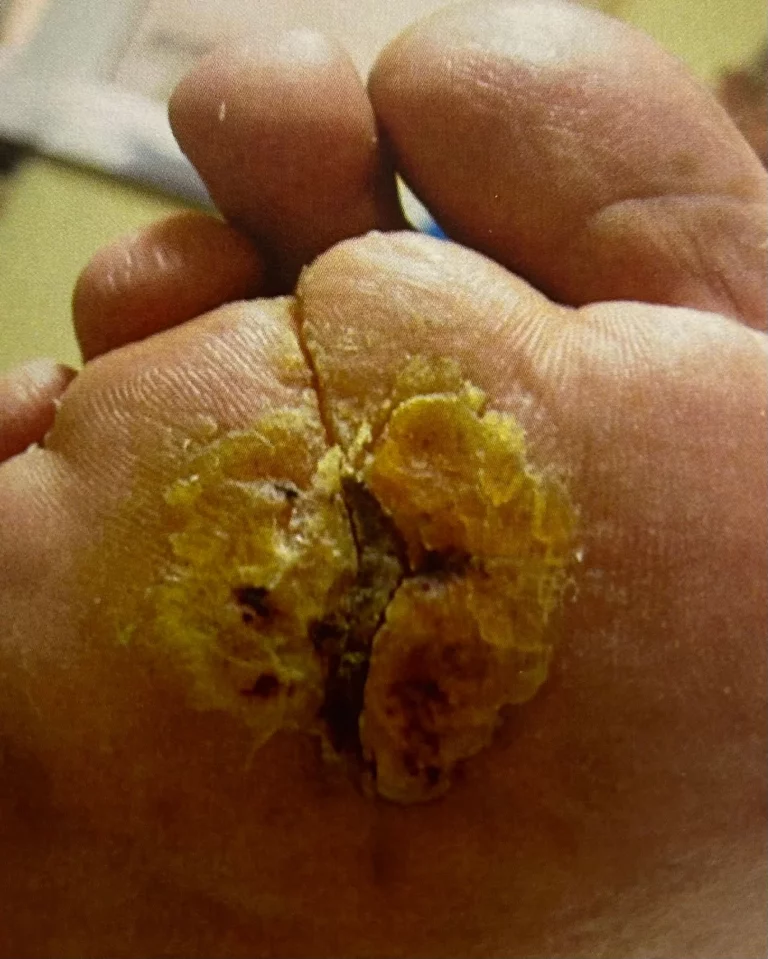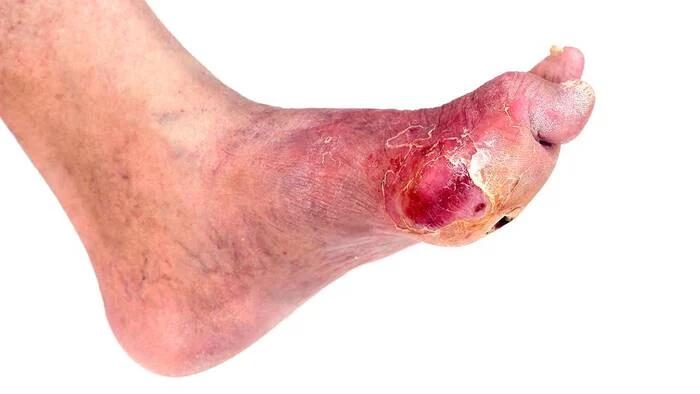
Before treatment
Before deciding on a plan, the consultation reviews circulation, skin integrity, wounds, pressure areas, infection risk and the vascular factors that can affect healing.
Diabetic foot in Madrid at Clínica Medivás: a specialist-led assessment focused on circulation, skin integrity, wounds, pressure areas, infection risk and the vascular factors that can affect healing.

Four key points to understand what is assessed, how treatment is planned, its main goal and what happens afterwards.
Before deciding on a plan, the consultation reviews circulation, skin integrity, wounds, pressure areas, infection risk and the vascular factors that can affect healing.
A specialist-led assessment focused on circulation, skin integrity, wounds, pressure areas, infection risk and the vascular factors that can affect healing.
The goal is to choose a proportionate plan for diabetic foot based on clinical findings and realistic expectations, rather than applying the same technique…
Follow-up depends on the diagnosis and the treatment actually chosen.
The indication and practical details may vary after your individual medical assessment.
Diabetic foot in Madrid at Clínica Medivás: a specialist-led assessment focused on circulation, skin integrity, wounds, pressure areas, infection risk and the vascular factors that can affect healing.
Before deciding on a plan, the consultation reviews circulation, skin integrity, wounds, pressure areas, infection risk and the vascular factors that can affect healing. Tests are requested only when they can change the diagnosis, safety assessment or treatment decision.
The goal is to choose a proportionate plan for diabetic foot based on clinical findings and realistic expectations, rather than applying the same technique to every patient. The plan is finalized after matching that goal with the findings from the consultation.
Diabetic foot in Madrid at Clínica Medivás: a specialist-led assessment focused on circulation, skin integrity, wounds, pressure areas, infection risk and the vascular factors that can affect healing.
Before deciding on a plan, the consultation reviews circulation, skin integrity, wounds, pressure areas, infection risk and the vascular factors that can affect healing. Tests are requested only when they can change the diagnosis, safety assessment or treatment decision.
An assessment may be useful if you are considering diabetic foot or have symptoms or concerns related to this area and want to understand the diagnosis, available options and realistic next steps.
The goal is to choose a proportionate plan for diabetic foot based on clinical findings and realistic expectations, rather than applying the same technique to every patient.
Recovery and follow-up after diabetic foot depend on the diagnosis and the treatment actually chosen. Before treatment, the team explains expected changes, practical aftercare, review timing and the warning signs that should prompt earlier medical contact.
Dr. Pedro Astudillo assesses this area at Clínica Medivás Madrid and coordinates other specialties when the clinical situation requires it.
The assessment looks for the vascular mechanism that best explains the symptoms or visible findings related to diabetic foot.
Treatment is matched to anatomy, symptoms, vascular findings, risk and patient preferences.
Relevant vascular risk factors, warning signs and potential complications are reviewed before treatment.
Reviews are planned according to the condition, technique used and clinical evolution.
An assessment may be useful if you are considering diabetic foot or have symptoms or concerns related to this area and want to understand the diagnosis, available options and realistic next steps.
Suitability is confirmed during the consultation because medication, medical history, associated conditions, anatomy and goals can change the safest option.
Sudden or severe symptoms, or symptoms associated with warning signs, require immediate medical assessment and should not wait for a routine appointment.
We review symptoms, evolution, previous vascular problems and relevant risk factors for diabetic foot.
The specialist examines the relevant arterial, venous, lymphatic or skin findings.
When useful, Doppler ultrasound or other vascular imaging is chosen to answer a specific clinical question about diabetic foot.
Diagnosis, alternatives, benefits, limitations and risks are explained before a decision is made.
The agreed plan for diabetic foot is carried out and follow-up is scheduled according to the condition and technique.
Recovery and follow-up after diabetic foot depend on the diagnosis and the treatment actually chosen. Before treatment, the team explains expected changes, practical aftercare, review timing and the warning signs that should prompt earlier medical contact.
Before the consultation or procedure ends, the team explains the relevant aftercare, what progress may be expected and when to contact the clinic before the next scheduled review.
Dr. Pedro Astudillo assesses diabetic foot at Clínica Medivás Madrid and explains the appropriate options, limitations and follow-up for each case.
Meet the specialist
Patient information designed to answer common questions before an assessment.
Diabetic foot in Madrid at Clínica Medivás: a specialist-led assessment focused on circulation, skin integrity, wounds, pressure areas, infection risk and the vascular factors that can affect healing. A consultation is used to confirm whether the problem and the proposed treatment match, and to distinguish it from conditions that may look similar.
An assessment may be useful if you are considering diabetic foot or have symptoms or concerns related to this area and want to understand the diagnosis, available options and realistic next steps. A specialist review is especially useful when symptoms are persistent, progressive, affect daily life or when you want a clear explanation before deciding on treatment.
Before deciding on a plan, the consultation reviews circulation, skin integrity, wounds, pressure areas, infection risk and the vascular factors that can affect healing. Tests are requested only when they can change the diagnosis, safety assessment or treatment decision.
The goal is to choose a proportionate plan for diabetic foot based on clinical findings and realistic expectations, rather than applying the same technique to every patient.
Yes. The alternatives depend on the diagnosis, severity, anatomy, medical history and goals. The consultation compares reasonable options and explains when observation, another medical treatment or a different procedure may be preferable.
Safety depends on the specific treatment and the patient’s health. Medication, allergies, previous procedures, relevant medical conditions and other risk factors are reviewed before an indication is confirmed.
There is no single timetable for every patient. The total process depends on whether testing is required, which treatment is chosen, the number of sessions or visits involved and the pace of recovery.
Recovery and follow-up after diabetic foot depend on the diagnosis and the treatment actually chosen. Before treatment, the team explains expected changes, practical aftercare, review timing and the warning signs that should prompt earlier medical contact.
The appropriate review point depends on the biological or clinical evolution of the treatment. The team explains when it is meaningful to judge the result and avoids making conclusions too early.
Dr. Pedro Astudillo is the reference professional for this treatment area at Clínica Medivás Madrid, with the wider medical team involved when multidisciplinary assessment is useful.

Reticular veins in Madrid at Clínica Medivás: a specialist-led assessment focused on reticular veins, associated spider veins, symptoms and whether an underlying…
View treatment →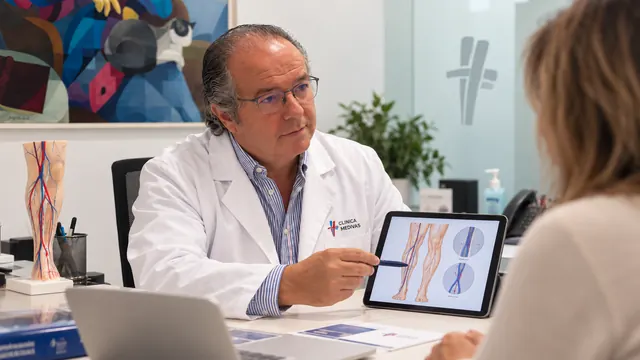
Cosmetic varicose vein treatment in Madrid at Clínica Medivás: a specialist-led assessment focused on visible veins, venous reflux, cosmetic goals and the…
View treatment →
Lymphedema in Madrid at Clínica Medivás: a specialist-led assessment focused on persistent swelling, lymphatic dysfunction, skin changes and possible venous causes that…
View treatment →Leave your details and the Clínica Medivás team will contact you to help identify the most appropriate specialty and assessment.
This site is protected by reCAPTCHA and Google’s Privacy Policy y los Terms of Service de Google. Please avoid including clinical information that is not necessary to request an appointment.