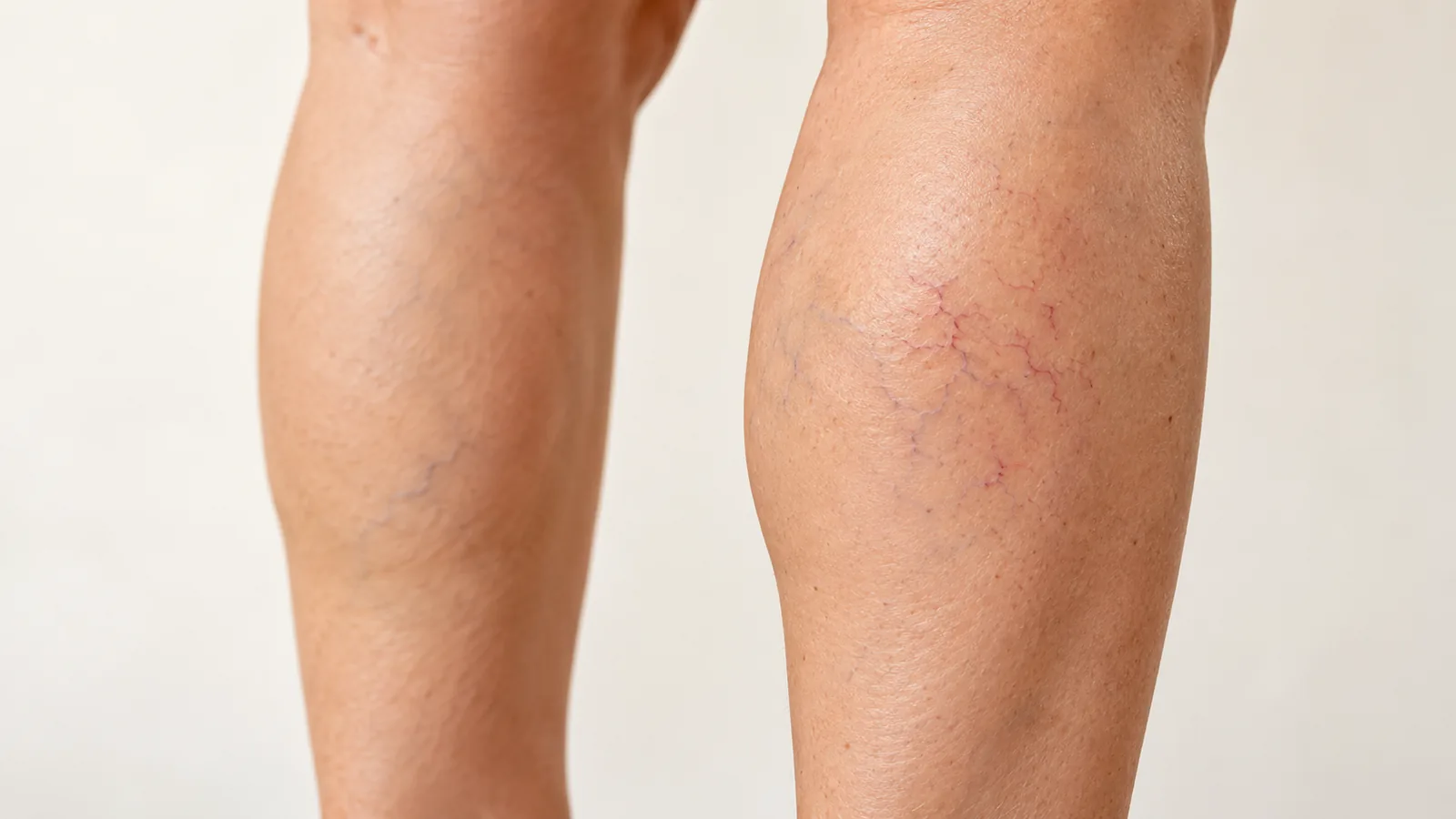
Facial dark spots after summer are a common reason for seeking advice. Sun exposure can make certain pigmentation changes more noticeable, but not every mark has the same cause or needs the same treatment. Before choosing a cream, peel or light-based device, it is useful to identify what is being seen. Information about pigmentation treatment at Medivás starts with that assessment.
This guide helps organise useful questions, a sensible routine and an understanding of why an individual plan may include waiting or referring a lesion for diagnosis. The goal is not to erase every mark at any cost, but to improve the skin proportionately and safely, avoiding procedures that do not address the cause.
Solar lentigines, melasma and marks after inflammation
Some pigmentation relates to accumulated sun exposure, some to melasma and some follows inflammation or injury. These patterns can coexist. Distribution, shade, development and history help guide diagnosis, but resemblance to an online photograph is not enough to establish it.
Melasma may be persistent and recurrent, so expectations differ from those for a localised pigmented lesion. A mark following acne or irritation also requires attention to what is maintaining inflammation. Treating colour alone while ignoring that factor can allow the problem to continue or worsen with overly aggressive products. Understanding the cause helps explain why the same product may be useful for one person and unsuitable for another.
Changes to assess before cosmetic treatment
A new lesion, or one changing in shape, size or colour, bleeding, ulcerating or looking different from others, needs evaluation. It should not be assumed to be a sun spot simply because it was noticed after a holiday. Establishing the diagnosis and deciding whether dermatological assessment is needed comes first.
Do not attempt to remove it with acids, home devices or strong lightening products before advice. Altering its surface may complicate interpretation and delay necessary care. Earlier photographs can help explain its development, but examination remains important. A cosmetic concern and the need to assess a changing lesion can coexist; prioritising diagnosis does not dismiss the person's wish to improve appearance.
Why a recent tan can change the plan
Recently sun-exposed skin may respond differently to certain procedures. Tanning, irritation or sunburn influences the safety of light, laser and exfoliating treatments. Waiting until the skin is in an appropriate condition may be a sound clinical decision rather than an unexplained delay.
Describe actual exposure, including planned travel, outdoor sport and working outside. Aftercare and sun protection need to be compatible with your routine. There is little value in scheduling a procedure whose recovery requirements cannot be followed. Timing should reflect skin condition and the needs of the proposed treatment, rather than the season alone. An autumn appointment does not automatically remove the effects of a recent sunny holiday.
IPL and lasers require a specific indication
IPL and lasers are not interchangeable. Their characteristics and targets differ, and one technology does not suit every pigmentation problem. Skin phototype, apparent pigment depth and cause influence the recommendation. Some skin types and conditions have greater risk of pigment changes after a procedure.
Ask what is being targeted, why the option is chosen and how response will be assessed. With melasma, discussion should include control and maintenance rather than permanent-removal promises. A treatment that worked for a friend may be inappropriate for a mark with a different mechanism. The useful comparison is between options suitable for your diagnosis, not between device names detached from the skin they are intended to treat.
Peels and home products
Medical peels may be part of some plans, but their composition and depth need adaptation. Substantial irritation is not a requirement for useful skin care. Combining several exfoliants or independently increasing strength can damage the barrier and contribute to further marks.
Prescribed products need instructions about amount, frequency and tolerance. Persistent irritation is a reason to ask how the plan should be adjusted. Do not share someone else's lightening treatment or use mixtures of uncertain origin. Consistency and safety matter more than attempting to accelerate improvement through increasingly intense applications. A tolerable routine can be followed long enough to assess its value more fairly.
Assessing change with comparable photographs
Lighting strongly affects how a mark appears. Comparing a photograph in direct sun with one in a dark bathroom may create a false impression of improvement or worsening. When documenting progress, use similar angle, distance and lighting without filters. The clinician can establish a baseline and a suitable review point.
Skin tolerance also matters. Reduced pigmentation accompanied by severe irritation is not a sufficient goal. The routine may need simplification or a different strategy. Improvement should be considered together with stability, comfort and the ability to maintain care over time. A plan that cannot be continued because it repeatedly inflames the skin deserves review even if some areas initially look lighter.
Assess the skin before choosing a device
An aesthetic medicine consultation should begin by identifying the main concern and examining the skin. Colour, texture, lesions, sensitivity, sun exposure and previous treatments may all change the recommendation. Changes described broadly as ageing do not share one cause. Pigmentation, volume loss, expression lines and laxity require different questions and may call for different approaches.
The history includes skin products, medicines, allergies, problematic scarring and earlier procedures. Pregnancy, breastfeeding and certain medical conditions can affect whether an elective intervention is appropriate. If you cannot remember which product was used previously, try to obtain the report rather than assume all materials are interchangeable. Accurate records are particularly useful when several clinics have provided treatment over time.
A new, changing or bleeding lesion, or one without a clear diagnosis, should not be concealed or treated cosmetically before assessment. Dermatological evaluation may be necessary. The priority is establishing what the lesion is and whether it can be treated safely; selecting a device or product comes afterwards. A cosmetic goal should not bypass that step simply because the lesion resembles something familiar in a photograph.
The plan should distinguish what concerns the person from what the professional observes. Every normal feature noticed during examination does not need intervention. The consultation may lead to a simpler routine, sun protection, observation or a specific procedure. Its quality is not measured by the number of treatments proposed, but by a clear indication and an approach proportionate to the agreed goal.
Sun protection and basic care support the plan
Sun exposure influences pigmentation and skin ageing. Protection combines shade, suitable clothing and a broad-spectrum sunscreen used adequately and reapplied when appropriate. A well-chosen product does not compensate for prolonged exposure by itself or make sun exposure around a procedure harmless. The practical context of work, travel and outdoor activity matters.
Choice should reflect tolerance and actual use. An unpleasant texture or irritation can make consistent application difficult. If pigmentation, sensitivity or another condition is present, ask which characteristics are appropriate. Sunscreens differ in composition, and the most expensive product is not necessarily the most suitable for your routine. A product that can be used correctly and regularly is more useful than one that remains unused.
Cleansing and moisturising should respect the skin barrier. Adding exfoliants, acids and multiple active ingredients at once can increase irritation and make the cause difficult to identify. Some procedures require temporary changes before or afterwards. Do not stop or restart prescribed products solely on the basis of general advice written for a different technique or another person's skin.
A simpler routine makes the response easier to observe. Introducing changes individually when advised helps identify tolerance. Home care should support skin health and the agreed plan, rather than reproduce medical procedures at home. High concentrations and consumer devices should not be treated as equivalent to supervised care merely because they use similar terminology. If a product causes persistent burning, inflammation or an unexpected reaction, seek advice instead of assuming that discomfort proves it is working.
Safety, consent and expectations in aesthetic medicine
An outpatient procedure is not a risk-free procedure. Depending on the technique, unwanted effects may include irritation, bruising, inflammation, infection, pigmentation changes, scarring or other specific complications. The explanation should match the proposed procedure and the person's skin. A generic list does not replace discussion of the risks that could meaningfully affect the decision.
Ask who performs the treatment, which product or device is used and what follow-up is available. Product identification and traceability are particularly important for injectable procedures. Medicines and devices should be used according to professional judgement and applicable requirements. Buying a product for self-injection or using home injection devices is not a safe alternative to appropriate medical care.
Photographs can document the starting point when taken under comparable conditions and with consent. They do not guarantee reproduction of someone else's result. Lighting, facial expression, angle and the time since treatment can substantially change the visual impression. A prudent goal is based on actual anatomy and skin rather than filters or an idealised image. It should also leave room for normal individual features that do not need correction.
Before proceeding, clarify likely discomfort, aftercare, expected development and how to obtain help if a problem occurs. The explanation should include when not treating or changing the plan may be preferable. An elective decision can be made without rushing. A limited offer or approaching event does not justify skipping assessment or reducing the opportunity to ask questions about safety, alternatives and the practical consequences of treatment.
Preparing for a consultation that answers your questions
A useful consultation starts with a specific description of what has changed. Note when it began, how it is developing, what makes it better or worse and which activities it affects. You do not need to arrive with a chosen diagnosis. Explaining the problem in your own words allows the professional to consider possibilities rather than simply confirm a label that may not fit.
Bring an updated list of medicines, non-prescription products and supplements. Include relevant history, allergies and treatments already tried. If an earlier intervention did not help, the clinician needs to know what was done, for how long and what happened afterwards. Saying that nothing works expresses an understandable experience, but these details help distinguish lack of response, poor tolerance and an unrealistic initial goal.
Choose two or three priority questions. What explanation seems most likely, what information is missing and what is the next reasonable step? When several options are discussed, ask how their benefits, limitations and practical demands compare. Taking notes or bringing someone may help you remember the conversation while respecting your privacy and preferences.
Before leaving, check that the plan is clear. You should understand what to do, for how long, what changes are expected and when earlier contact is needed. Repeating the advice in your own words may reveal uncertainty that initially seemed resolved. Making good use of a consultation does not require knowing every technical term. It requires leaving with guidance you can apply and an appropriate way to clarify questions that arise afterwards, particularly when several professionals or treatments are involved.
Defining specific goals and reviewing expectations
A useful goal describes a change you can recognise in everyday life. It might mean tolerating an activity better, reducing the frequency of a symptom, improving a particular concern or understanding what is happening. A clearer goal makes it easier to decide whether an intervention adds value. Being perfect or never having another problem rarely provides a precise clinical reference point.
Separate the desired outcome from the time in which you hope to achieve it. Some changes require consistency or several stages; others should be reviewed promptly if progress differs from expectations. The professional should explain which parts of the result are reasonably predictable and where uncertainty remains. This helps planning without treating every fluctuation as failure or every early improvement as a permanent solution.
The demands of the plan also matter: appointments, home care, cost, tolerance and compatibility with work or family life. A technically reasonable proposal may still need adjustment so that it can actually be followed. Explaining those limitations does not show a lack of commitment. It supports a more realistic plan and helps avoid stopping because of practical barriers that could have been anticipated.
Observation, simplification or postponing an elective intervention can also be part of an informed decision. Ask what is reasonably expected without treatment and which findings would change the recommendation. Follow-up should compare progress with agreed goals, rather than with advertising or another person's experience. Someone else's result may involve a different diagnosis, starting point, treatment extent or recovery period, making direct comparisons misleading even when the situation initially looks similar.
Recording progress without constant worry
A brief record can be useful when it captures information relevant to the goal. The date, severity of a symptom, an activity that becomes easier or a visible change may add context. There is no need to measure everything or repeatedly check the body. The record should support the consultation rather than increase a feeling that every variation represents a threat.
Try to compare similar conditions. Different lighting in a photograph or a day with a very different activity load can make interpretation difficult. If you use a personal symptom scale, apply it consistently. A record does not need to be perfect to help, but it should include a simple explanation of what was happening at the time.
Progress needs interpretation over a period appropriate to the condition and treatment. Early improvement may need confirmation; one worse day does not necessarily show that the plan has stopped working. New or clearly different symptoms, however, may justify contact before the scheduled review. The team should explain how to distinguish expected variation from changes needing attention, rather than leave you to make that judgement from general internet advice alone.
Keep instructions and reports accessible. When several professionals are involved, sharing relevant information can reduce contradictory or duplicated advice. Do not change prescribed medication independently to make the outcome match an expectation. If the plan is difficult to follow or unwanted effects occur, discuss it with the professional who recommended it and decide which adjustment is appropriate. Honest information about what has and has not been possible is more helpful than presenting an idealised version of adherence.
Reading health information critically
General information can help you ask better questions, but it does not contain all the details of an individual person. An article describes common patterns and possible options; a consultation adds history, examination and context. This explains why a reasonable recommendation for one person may not suit another with an apparently similar concern.
Be cautious with messages guaranteeing results, dismissing every risk or presenting one technique as the solution for everyone. Comparisons based only on photographs, testimonials or a striking price also provide an incomplete picture. Useful explanations identify who may benefit, what the limitations are and which information is needed before choosing an option.
Medical sources should be read according to their purpose. A guideline supports decisions within a population and healthcare setting; it does not remove the need for individual adaptation. A patient information page summarises concepts and may omit technical details considered during a consultation. References at the end of this article offer further reading, but do not mean that your personal situation has been assessed or clinically reviewed.
If you encounter different recommendations, bring the question to the appointment and ask which circumstance explains the difference. Diagnosis, severity, history and treatment goals may account for it, rather than one explanation necessarily being false. A decision should rest on understandable, proportionate information. Having questions is compatible with active participation in care. Resolving them before an elective intervention is part of careful practice, especially where several options offer different trade-offs between likely benefit, practical demands and possible unwanted effects.
Frequently asked questions about post-summer pigmentation
### Can I start treatment simply because autumn has arrived? The season may make some care requirements easier, but does not replace checking skin condition. Recent tanning, irritation, travel plans and the type of mark all matter. The indication is based on those details rather than on a calendar date alone.
Does every dark spot need laser treatment?
No. Some need a specific diagnosis first, some may be managed with topical care and others may be suitable for a procedure. Technology should follow assessment of cause and risk rather than act as the automatic answer to any pigmentation concern.
Does sunscreen erase existing marks?
Sun protection helps limit exposure and is part of control, but cannot guarantee removal of existing pigmentation. Its role should be explained within the wider plan. Stopping protection once appearance improves may make it harder to maintain results in conditions that tend to recur.
Where can I discuss the options?
You can contact Medivás, bringing details of changes, products and sun exposure. An aesthetic medicine consultation can organise goals and establish whether treatment is appropriate or another assessment should come first.
Sources and further reading
Educational content by Clínica Medivás. It does not provide an individual diagnosis or replace a consultation.
This content is for information only and does not replace an individual medical assessment. Seek appropriate medical care for acute or worrying symptoms.